Webinar: xOps in AI: Building and Operating Large-Scale Systems

September 9, 2026 · 9:00 AM – 9:45 AM PDT
Register for this webinar
Reserve your seat. The session includes a 30-minute discussion followed by a 15-minute live Q&A.
Register on ZoomAbout this webinar
Modern AI systems are only as good as the data systems behind them. As organizations scale, they face growing challenges around data volume, latency, reliability, and consistency — especially when powering real-time applications and AI-driven workflows.
Join DaaX for a practical session on xOps for large-scale systems, where we'll explore how to design and operate architectures that can handle enterprise-scale demands without compromising performance or trust.
In this session, we'll break down the core principles behind building systems that are not only scalable, but also resilient, observable, and production-ready.
What we'll cover
- Key design patterns for scalable data systems
- How to ensure reliability, fault tolerance, and consistency
- Trade-offs between batch, streaming, and real-time architectures
- Handling large-scale distributed data across systems
- Best practices for monitoring, observability, and performance
- Reducing operational risk and improving system resilience
Panelists
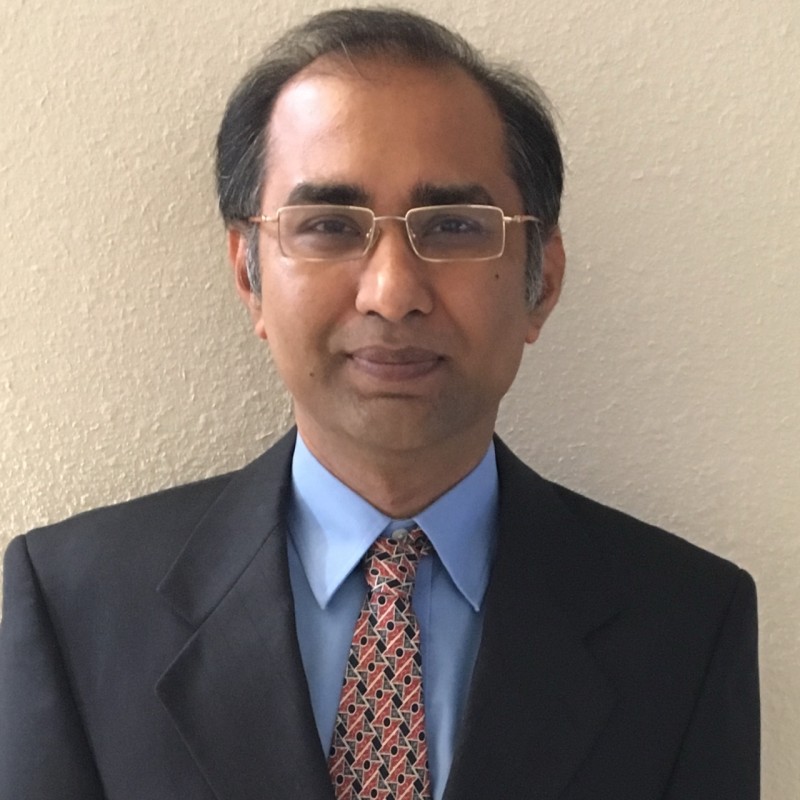
Sajjad Khazipura
Co-Founder & CTO, DaaX
Co-Founder & CTO of DaaX. At DaaX, Sajjad is building LAKEer — an enterprise neuro-symbolic AI platform combining knowledge graphs, vector search, and structured data retrieval to deliver grounded, hallucination-resistant AI for mission-critical applications. He brings experience building internet-scale, high-reliability systems, petascale data platforms, real-time transactional systems, and industry AI solutions across e-commerce, manufacturing, healthcare, and finance. Prior roles include Principal Solutions Architect at AWS and VP & Global Practice Head at Wipro Technologies.
Subramaniyam (Sam) Pooni
DaaX Architect
Machine Learning Compiler Architect and AI Systems Leader with 30 years of hardware–software co-design experience across custom ASICs, NPUs, DSPs, and heterogeneous GPU platforms.